
What to Ask Families Before an In-Home Euthanasia Appointment
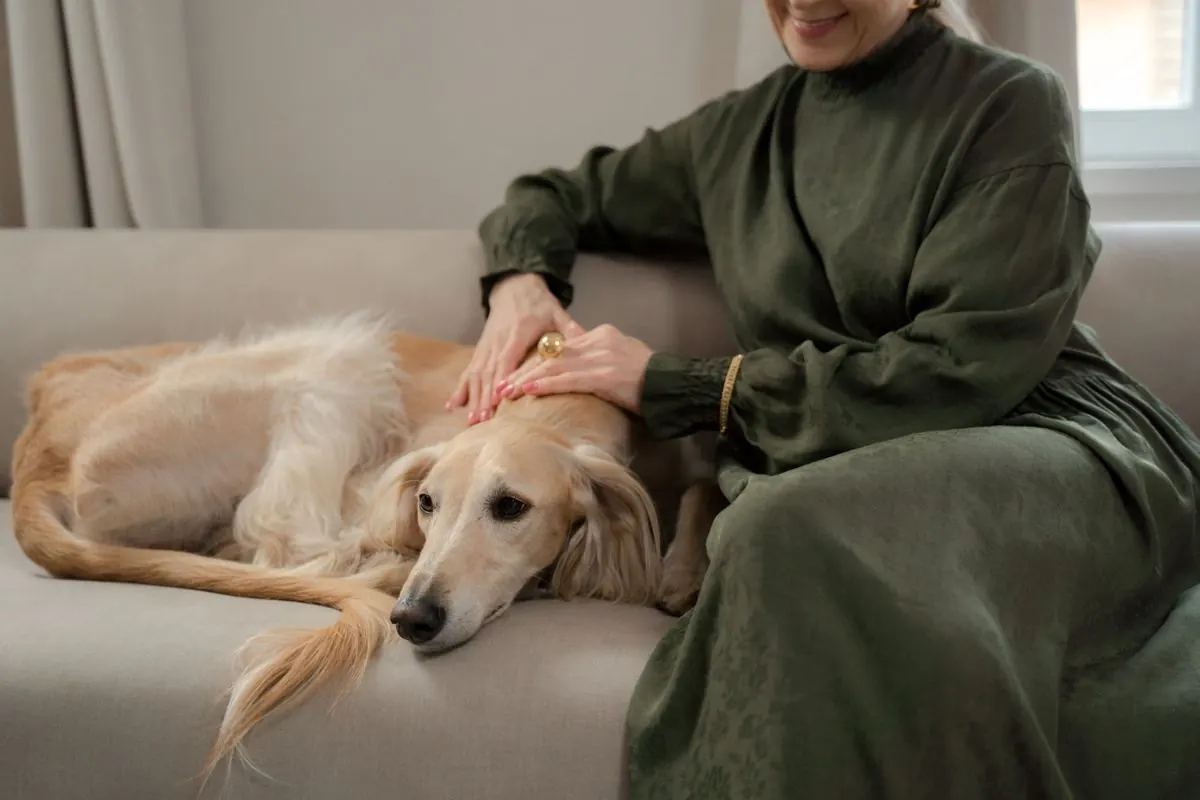
When a family chooses in-home euthanasia, much of what makes the visit go well happens before you arrive. A thoughtful conversation ahead of time, whether that’s a few days before or a few hours, lets the family make decisions while they’re calmer, tells you what to expect when you walk in, and means the visit itself can be quiet and unhurried.
This guide is for in-home euthanasia providers and mobile veterinary teams. It walks through what to ask families before the appointment, grouped so you can use it as a checklist for your own intake call or form.
Why the Conversation Before the Visit Matters
The 2016 AAHA/IAAHPC End-of-Life Care Guidelines describe how at-home euthanasia spares the patient travel, keeps them in familiar surroundings, gives the family more privacy, allows more family members to be present and eases time pressure. Those benefits depend on preparation. The guidelines recommend telling clients about every step of the procedure to manage expectations and minimize anxiety, and arranging transportation and cremation or burial in advance.
Covering the practical questions ahead of time also keeps them out of the room. When paperwork, payment and aftercare are settled beforehand, your time in the home can be about the pet and the family.
About the Pet
- Name, species, breed, age and approximate weight. A recent weight helps you plan sedation and medications.
- Medical history and current medications, including anything given that day, and the name of their regular veterinarian.
- Temperament and handling. How does the pet usually react to visitors or veterinary care? Are there places they don’t like to be touched, or things that help them settle, like a favorite blanket?
- Mobility. Can the pet move to where the family would like to be, or will you go to them?
- How the past few days have been. Changes in breathing, appetite or comfort help you plan, and many families find it helps to talk it through.
If a family is still deciding, or you offer a quality of life consultation first, a structured assessment can help them reflect at home before you talk. With Hospet Connect, you can email them a one-time quality of life assessment to complete in their browser, and you’ll receive their scores and a PDF before the consultation.
The Setting
- Where the family would like to be. Many choose a favorite bed, the living room floor or a quiet spot in the garden. The AAHA/IAAHPC guidelines encourage gathering wherever the pet and family are most comfortable, including outdoors, and attending the pet wherever the family feels is best.
- Getting there. Parking, which door to use, stairs, gate codes and anything you’ll need to carry in.
- The space itself. Room to kneel beside the pet, lighting, and whether furniture needs to be moved first.
- A backup plan. If they’d like to be outside, where would they prefer to be if the weather turns?
Who Will Be There
- Family and friends. Who would like to be present, and is anyone traveling or joining by video call?
- Children. Will children be there, and how much do they know? Some families appreciate suggestions for preparing them, or a few gentle words of explanation from you on the day.
- Other pets. Some families like their other pets to be nearby. Ask how they usually behave with visitors, and whether any would be more comfortable in another room during the procedure.
- Holding or stepping out. Let the family know they’re welcome to hold or comfort their pet throughout, and that it’s equally okay to step out. The AAHA/IAAHPC guidelines say clients should be offered that opportunity, and that anyone who chooses not to be present should never be made to feel guilty.
What to Expect During the Visit
Families often worry most about what they’ll see. Walking through the visit in plain language beforehand helps. The AAHA/IAAHPC guidelines recommend informing clients of every step, and note that the AVMA recommends sedation or anesthesia before euthanasia, especially when clients are present. Topics to cover:
- How long you’ll stay, and that there’s no rush
- That their pet will be sedated first, to minimize stress and anxiety
- Whether you’ll place a catheter, and that the family can stay close throughout. The guidelines encourage keeping the pet and family together for the entire procedure, including catheter placement.
- Some natural changes they may notice afterward, so nothing comes as a surprise
- That you’ll give them private time afterward, for as long as they need
Making It Meaningful
Ask whether there’s anything that would make the time feel right for them. Many families haven’t thought about it until someone asks.
- A favorite treat or meal, if it fits your sedation plan
- A favorite toy, blanket or sunny spot
- Music, a reading, a prayer or a ritual that matters to them
- Time beforehand for everyone to say goodbye in their own way
- Keepsakes such as a paw print, nose print or fur clipping
Aftercare, Decided in Advance
The AAHA/IAAHPC guidelines recommend arranging transportation and cremation or burial ahead of time, so no one has to make those decisions in the moment.
- Body care. Cremation, aquamation (water-based cremation) where it’s available, home burial, or body donation. For cremation or aquamation, ask whether they’d like their pet’s ashes returned. For home burial, suggest they check local rules first.
- Transport. Will you take the pet with you, will a crematory collect them, or will the family bring them? For larger pets, plan for a stretcher and an extra pair of hands.
- Belongings. Would they like to keep their pet’s collar, or have it returned with the ashes?
- Paperwork and payment. Consent forms and payment can usually be handled before the visit, so nothing needs signing in the moment.
After the Visit
The AAHA/IAAHPC guidelines note that how the healthcare team responds to a client’s grief can be a key factor in the client’s continued loyalty to the practice, and that referral to professional grief support can help.
- Ask whether they’d like grief support resources, such as a pet loss support line or a local group
- Let them know when to expect ashes or keepsakes, and how they’ll be returned
- Send a follow-up call or handwritten card in the days afterward
- Ask whether they’d like you to let their regular veterinarian know
Pre-Visit Checklist
| Topic | What to ask |
|---|---|
| The pet | Weight, medications, temperament, mobility, how the past few days have been |
| The setting | Where in the home or garden, parking and access, space, a backup if the weather turns |
| The people | Who’s attending, children, other pets, holding or stepping out |
| The visit | How long you’ll stay, sedation, catheter, what they may notice, private time |
| Meaningful touches | Treats, rituals, music, keepsakes |
| Aftercare | Body care, ashes, transport, collar and belongings |
| Paperwork | Consent forms and payment before the visit |
| Afterward | Grief resources, return of ashes, follow-up, notifying their regular vet |
How Hospet Helps Families Prepare
Many of these questions are ones families can think through before they ever call you. Hospet’s free end-of-life care plan walks pet owners through them in advance, including:
- Where they’d like the euthanasia to take place
- Who they’d like to be present, and whether children or other pets will be there
- Any special rituals they’d like performed
- How they’d like to care for their pet’s body, from home burial to cremation, aquamation or donation, and how their pet will be transported
- Which veterinarians to notify, and how they’d like to tell friends and family
- What support they have in place
Families can share their plan with you as a PDF from Hospet, so your intake call becomes a chance to confirm their wishes and answer questions rather than starting from scratch. Hospet is free for pet families, and Hospet Connect is free for in-home euthanasia providers and other care providers.
Sources
Support your clients between visits with Hospet Connect
Hospet Connect is free for veterinary teams. Send your first quality of life assessment today.
Create Your Free Provider Account